
- Home
- Custom Medical Tubing & Extrusions
- Micro Tubing & Micro-extrusions
Micro Tubing & Micro-extrusions
Micro tubing as small as 0.004 inch (0.1 mm) OD, multi-lumen micro-extrusions from 0.012 inch (0.3 mm), and thin walls held to 12.5 microns.
What is micro tubing?
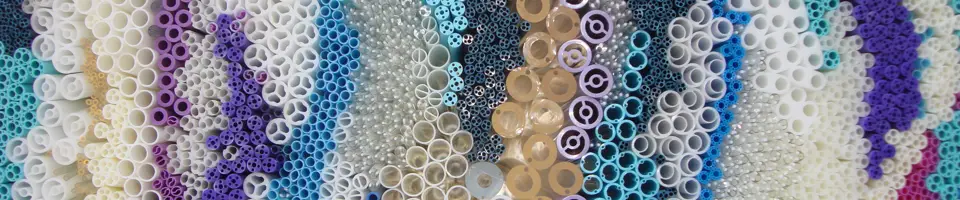
Micro tubing, also called microtubing or micro-extrusions, is medical tubing and profile extrusion with extremely small dimensions. We have extruded tubing with an outside diameter as small as 0.004 inch (0.1 mm) and multi-lumen extrusions as small as 0.012 inch (0.305 mm). We also extrude multi-lumen bump tubing as small as 1.2 Fr, and our thinnest walls, held consistently, are just 12.5 microns (0.0005 inch).
The drive to miniaturize comes from the move to minimally invasive procedures and from the need for appropriately sized pediatric products. Tubes with micro-miniature dimensions can considerably reduce trauma and risk, especially for pediatric patients.
Thin wall tubing
MicroSpec has long been a leader in thermoplastic thin wall tubing. The thinnest wall we extrude consistently is 12.5 microns, or 0.0005 inch, in Pebax®, polyurethane, FEP and PEEK. Our ability to hold walls that thin comes from our tooling and process, and from continued in-house development work.
Why microtubing is hard to extrude
At these sizes a few ten-thousandths of an inch is a large share of the wall. Small changes in melt temperature, resin lot or puller speed show up immediately in the part. Tooling has to be cut with extreme precision, measurement has to be non-contact, and process control has to be tight from start-up through the end of the run.
- Proprietary tips and dies cut on our wire EDM and CNC equipment
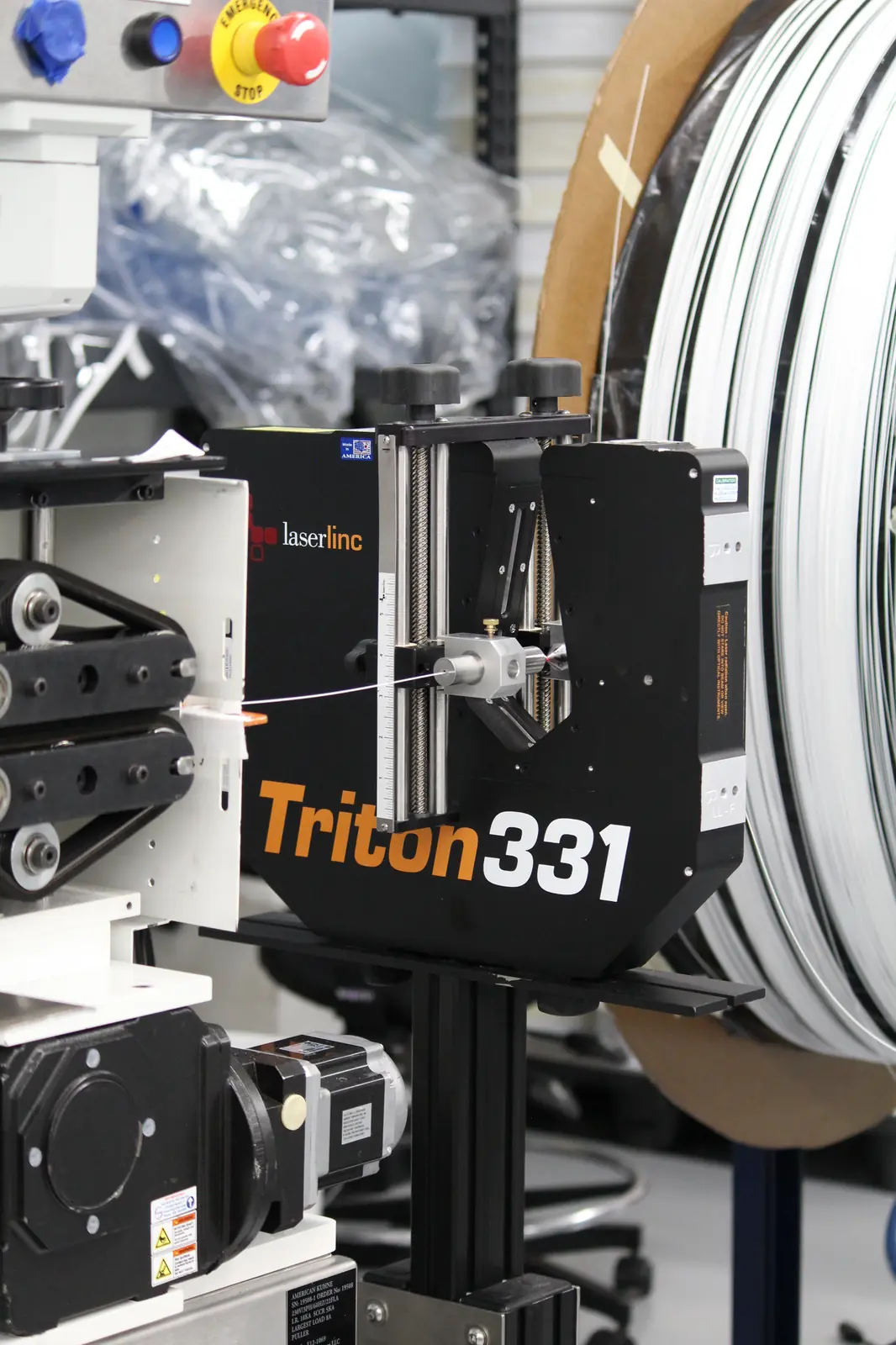
- Laser micrometers measure OD in line during every run
- Vision systems and electronic microscopes check cross-sections at the start, during and after each run
- Incoming inspection for all raw materials
Where micro tubing is used
Micro-extrusions show up in neurovascular and pediatric catheters, microcatheters, guidewire jackets, sensor and fiber optic lumens, and delivery systems for minimally invasive procedures. Many combine size with other features, such as multiple lumens, a bump, or a coating over wire.
On this page
Micro facts
| Smallest OD | 0.004 in (0.1 mm) |
| Smallest multi-lumen | 0.012 in (0.305 mm) |
| Thinnest wall | 0.0005 in (0.0125 mm) |
| Bump tubing | Down to 1.2 Fr |
| Quality system | ISO 13485:2016 |
Going smaller?
Tell us the smallest dimension you need to hold. We will tell you what is realistic.
0.004″
Smallest tubing OD extruded (0.1 mm)
0.012″
Smallest multi-lumen OD (0.3 mm)
12.5 µm
Thinnest wall, held consistently
1.2 Fr
Multi-lumen bump tubing
Measurement
If you cannot measure it, you cannot make it.
Micro-extrusion depends on measurement as much as on extrusion. Laser gauges measure outside diameter in line as the tube is made, and process data is tracked through the run so drift is caught early. Cross-sections are checked on vision systems in our quality control room against your specifications.
Learn more about our quality systems and the tooling behind our smallest parts.
Keep exploring
Related extrusions.
Multi-lumen tubing
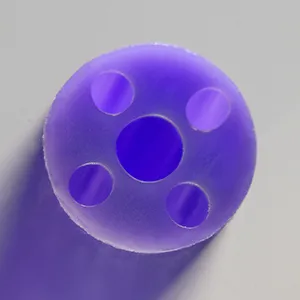
Multi-lumen parts as small as 0.012 inch (0.3 mm).
Bump tubing
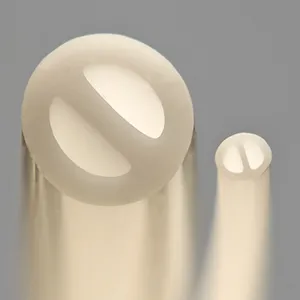
Multi-lumen bump tubes down to 1.2 Fr.
Coated wire
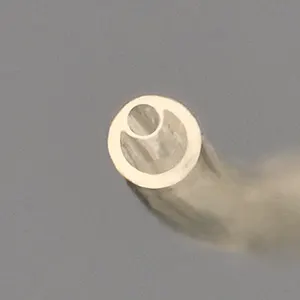
A 12-micron coating on a 50-micron wire.
Questions
Micro-extrusions, answered.
Have a question about very small tubing? Our engineers can help.
What is the smallest tube MicroSpec has extruded?
We have extruded tubing with an outside diameter as small as 0.004 inch (0.1 mm), and multi-lumen extrusions as small as 0.012 inch (0.305 mm).
How thin can the wall be?
The thinnest wall we extrude consistently is 12.5 microns (0.0005 inch).
Which materials work for micro-extrusion?
Most of the resins we run can be micro-extruded, including polyurethanes, nylons, Pebax, FEP and PEEK. Melt behavior and lot consistency matter more at small sizes, so we review material choice with you.
How do you measure such small parts?
With non-contact methods: laser micrometers in line, and vision systems and electronic microscopes in our quality control room, at the start of, during and after each run.
How small do you need to go?
Send us your specs, drawing or just describe the problem. A member of our team will follow up personally to walk through tolerances, materials and schedule.
Start a project
Tell us about your part and our team will follow up personally.
Have full drawings and tolerances? Use our detailed request form.